


Fashion Chronicles
Prada: How “Ugly Chic” Became Timeless
Army nylon, colours no one asked for, and a house that waited for the rest of fashion to catch up.
Prada ugly chic is the idea that made the Milan house modern: take what luxury considered plain, awkward or industrial, and make it the most desirable thing in the room. Miuccia Prada did it first with black nylon bags, then with the colours and prints of Spring/Summer 1996, a collection critics called ugly. Three decades on, those same pieces are what collectors look for. Prada did not follow fashion back into the spotlight. Fashion caught up with ideas the house had been exploring for decades.
What Is Prada Ugly Chic?
Ugly chic is Miuccia Prada's refusal of conventional prettiness. It pairs colours that should clash, cuts that sit slightly wrong and materials borrowed from outside luxury, then makes the result look inevitable. The effect is intelligence rather than glamour.

The idea runs through the whole house. It explains why a plain nylon backpack became a status object, and why a brown and chartreuse skirt could feel more daring than a sequinned gown. It rewards the wearer who knows the reference, which is the woman Prada has always dressed.
How Did Nylon Become a Luxury Material?
Prada began in 1913, when Mario Prada and his brother Martino opened Fratelli Prada in Milan's Galleria Vittorio Emanuele II, selling trunks, bags and travel goods in fine leathers. In 1919 the house was named official supplier to the Italian Royal Household, and the Savoy coat of arms and knotted rope entered its logo.

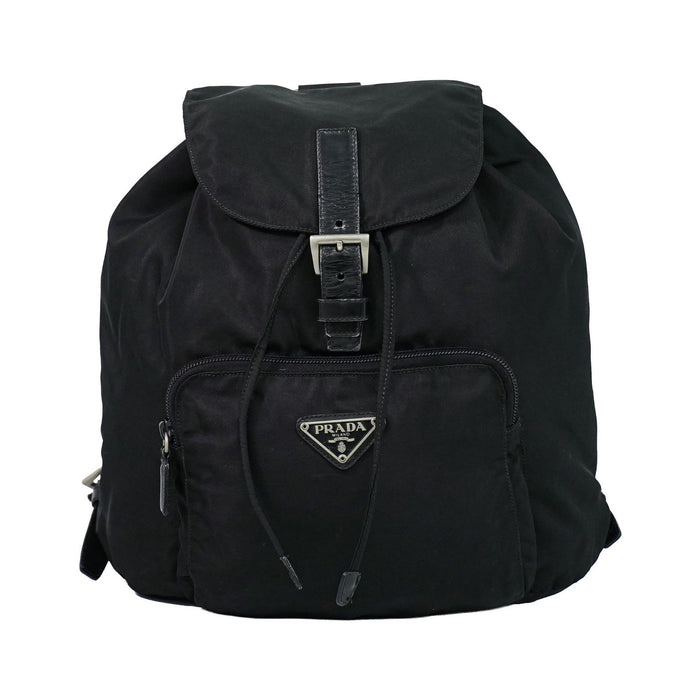
Miuccia Prada, Mario's granddaughter, joined in 1970 and took over the company in 1978. Her first decisive move was the opposite of what a leather house was expected to make. At the end of the 1970s she began cutting backpacks and totes from Pocone, a tough nylon sourced from a military supplier. In 1984 the black nylon backpack arrived, finished with the enamel triangle, and it became the first cult object of her era.
The shock was the material. Nylon belonged to tents and parachutes. Selling it in a luxury boutique, beside leather, was a statement: value lives in the idea and the finish, not only in the hide.
Spring 1996: The Season Critics Called Ugly
The Spring/Summer 1996 collection put the same thinking on the runway. Prada showed avocado, ochre, brown and chartreuse, prints that recalled 1970s Formica, knee-length skirts and chunky sandals. Kate Moss, Amber Valletta and Shalom Harlow were among the models who walked it.
That May, The Washington Post ran a piece headlined "Ugly is in." The label stuck, and so did the influence. Within a few seasons the whole industry had absorbed a new permission: taste could be difficult, and difficulty could be the point.
Fashion did not rediscover Prada. It caught up with her.
Why Does Vintage Prada Feel So Current Now?
Because the market moved to Prada's position, not the other way round. The quiet, utilitarian, slightly off register that looked perverse in 1996 now reads as the definition of good taste. Nylon, sensible shoes and odd colour are no longer a provocation. They are what informed dressing looks like.

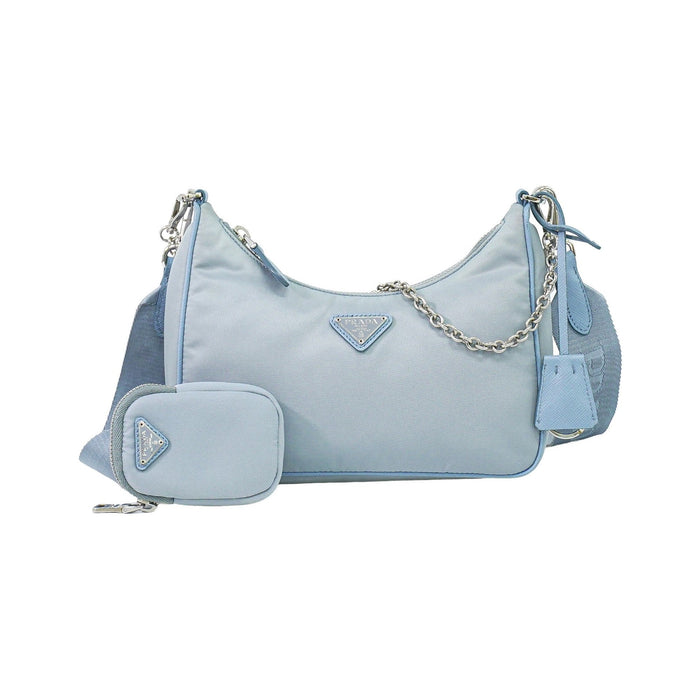
The house has leaned into its own archive. In June 2019 it launched Re-Nylon, made with ECONYL regenerated nylon from recovered fishing nets, carpet and industrial waste, with a pledge to convert all its virgin nylon by the end of 2021. Later that year it reissued its 2000 nylon mini bag as the Re-Edition 2000, and the Re-Edition 2005 followed. In February 2020 Raf Simons joined Miuccia Prada as co-creative director.
The resale market noticed first. In June 2021 The RealReal reported Re-Edition nylon bags reselling at up to 190% of retail. Original pieces from the 1990s and early 2000s carry something a reissue cannot: they were there when the idea was new. That is the precise flex, legible only to those who know the dates.
What Brandsamsara Checks in Pre-Owned Prada Nylon
Nylon looks simple, which is exactly why it is so widely copied. The Brandsamsara team has handled Prada nylon since 2007, and the tells sit in the finish rather than the silhouette.
The triangle plaque comes first: clean enamel, crisp lettering, even spacing and the notched leg of the R. Then the weave, which on genuine Pocone and Re-Nylon is dense, smooth and faintly lustrous rather than stiff or plastic. Stitching should be tight and regular at every seam, and lining and hardware should match the period. Authenticity cards prove little on their own, because they are the easiest part to fake. Every piece in Brandsamsara's pre-owned Prada edit is authenticated in-house and verified by professional authentication technology before it reaches the Athens showroom.
1913
Mario and Martino Prada open Fratelli Prada in Milan's Galleria Vittorio Emanuele II.
1919
Official supplier to the Italian Royal Household. The Savoy arms and knotted rope enter the logo.
1978
Miuccia Prada takes over the family company.
1984
The black nylon backpack with the triangle plaque becomes the house's first cult object.
1996
Spring/Summer: clashing colour and 1970s prints. The press calls it ugly.
2019
Re-Nylon launches in regenerated nylon. The Re-Edition 2000 returns.
2020
Raf Simons joins Miuccia Prada as co-creative director.
Prada Ugly Chic: Questions Answered
What does ugly chic mean in fashion?
Ugly chic describes clothes that deliberately reject conventional beauty: clashing colours, awkward proportions and humble materials, worn with total confidence. Miuccia Prada is the designer most associated with it, above all through her Spring/Summer 1996 collection, which critics called ugly and which went on to shape two decades of fashion.
When did Prada start making nylon bags?
Miuccia Prada began using Pocone, a durable nylon sourced from a military supplier, for backpacks and totes at the end of the 1970s. The black nylon backpack with the enamel triangle plaque followed in 1984 and became the defining Prada object of the decade, proof that a luxury house could make nylon desirable.
What is the difference between Prada nylon and Re-Nylon?
Classic Prada nylon was made from virgin nylon. Re-Nylon, launched in June 2019, uses ECONYL, a regenerated nylon made from recovered waste such as fishing nets, carpet and industrial scraps. Prada committed to converting all its virgin nylon to regenerated nylon by the end of 2021. The look and handle are close.
Does Prada nylon hold its value?
Archive Prada holds its appeal because the house keeps returning to its own past, which sustains demand for the originals. In June 2021 The RealReal reported Re-Edition nylon bags reselling at up to 190% of retail. Condition and verified authenticity decide the value of any single piece, so provenance matters.
How can you tell if a Prada nylon bag is authentic?
Start with the enamel triangle plaque: clean lettering, even spacing and the notched leg of the R. Check that the nylon is dense and smooth, that the stitching is tight, and that the hardware fits the production period. Cards and dust bags prove little. Professional authentication is the reliable answer for a significant purchase.
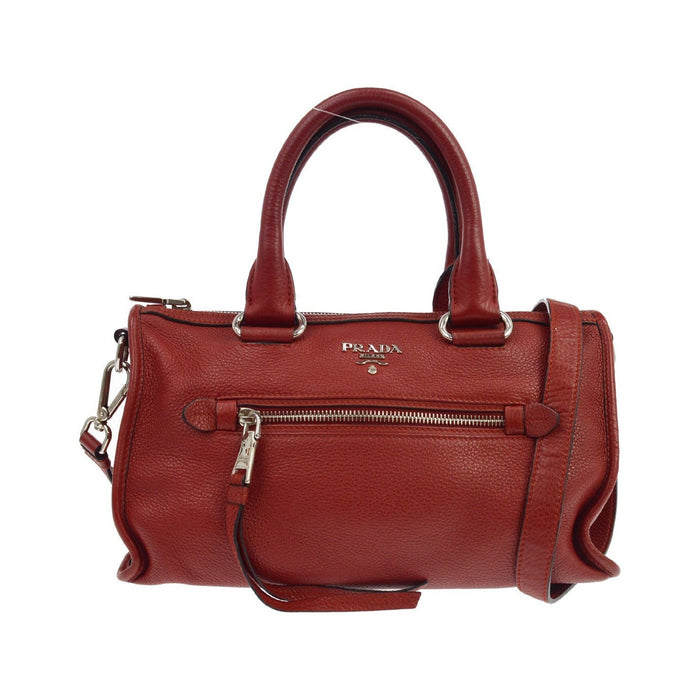
Miuccia Prada has spent nearly fifty years proving that the unconventional choice can be the most refined one in the room. Brandsamsara's curated edit of pre-owned Prada, from nylon backpacks to Re-Edition shoulder bags, is authenticated in-house and verified by professional authentication technology, so the house's most influential ideas can be owned at a considered price. Explore pre-owned Prada.
Our Curated Edit
Recent Articles
-

Prada: How “Ugly Chic” Became Timeless
Army nylon, colours no one asked for, and a house that waited for the rest of fashion to catch up.
Prada: How “Ugly Chic” Became Timeless
Army nylon, colours no one asked for, and a house that waited for the rest of fashion to catch up.
-

Matthieu Blazy: The Designer Who Speaks the Lan...
From Céline to Bottega Veneta, and now Chanel, one designer has redrawn the line between craft and spectacle.
Matthieu Blazy: The Designer Who Speaks the Lan...
From Céline to Bottega Veneta, and now Chanel, one designer has redrawn the line between craft and spectacle.
-

The Bags That Shaped Fashion: Six Iconic Design...
From Jackie Onassis dodging the paparazzi to Princess Diana on the steps of the Grand Palais, six iconic designer bags defined their decades. Brandsamsara traces the stories behind them, and...
The Bags That Shaped Fashion: Six Iconic Design...
From Jackie Onassis dodging the paparazzi to Princess Diana on the steps of the Grand Palais, six iconic designer bags defined their decades. Brandsamsara traces the stories behind them, and...


